
According to healthdirect Australia, cortisol naturally peaks in the morning to help you launch into the day — your body’s built-in alarm clock. But when modern life keeps the siren blaring, that balance is lost.
You’re not alone in feeling this way. Many women across the country are seeking gentle, natural ways to feel like themselves again. Let’s explore the subtle signs together.
Key Takeaways
- Persistent tiredness and feeling overwhelmed can be linked to your body’s stress response.
- Cortisol is meant to help you tackle daily challenges but can become unbalanced.
- In a healthy rhythm, cortisol levels are highest in the morning to provide energy.
- When these levels remain elevated, it can impact your overall health and vitality.
- Recognising the signs is the first step towards supporting your wellbeing naturally.
- Australian women are increasingly turning to holistic, evidence-based approaches for balance.
What Is Cortisol and Why It Matters
Cortisol is a vital steroid hormone your system uses every day — your body’s natural alert system and energy manager. It’s produced by your adrenal glands, which sit just above each kidney. The pituitary gland in your brain tells them when to make and release it.
| Gland | Location | Primary Role |
|---|---|---|
| Pituitary Gland | Base of the brain | Master controller — signals the adrenal glands. |
| Adrenal Glands | Above each kidney | Factory — produces and secretes the hormone. |

This hormone follows a natural rhythm. Healthy levels are higher in the morning to help you wake up and face the day. During a stress response, production increases quickly — giving you a short-term boost. But chronic overdrive quietly chips away at your vitality.
7 Signs Your Cortisol May Be Too High
It’s easy to blame lifestyle for every ache, but some signals warrant a closer look. Your body offers important clues about your internal balance.
Unexpected Weight Gain
Particularly around the midsection — a classic cortisol signature.
Constant Fatigue
Waking unrefreshed even after a full night of sleep.
Mood Swings & Anxiety
Feeling on edge, irritable, or emotionally fragile without clear reason.
Brain Fog
Difficulty concentrating or remembering simple things.
Muscle Weakness
A feeling of persistent weakness that exercise doesn’t seem to fix.
Skin Changes
Thinner skin or bruising more easily than before.
Sleep Disruption
Difficulty falling or staying asleep, or wired-but-tired evenings.

Common Misconceptions About Cortisol Levels
Many people think elevated blood pressure or trouble sleeping are solely due to stress or diet — but they’re also closely linked to hormone levels. If you suspect an imbalance, a GP might suggest a 24-hour urinary-free cortisol excretion test.
Distinguishing everyday stress from a condition like Cushing’s requires professional tests. Getting an accurate diagnosis ensures you receive proper care.
Lifestyle Factors & Stress Management
Small, daily choices directly influence your internal balance and energy. Managing your stress response is vital — chronic pressure can lead to long-term health conditions affecting your mood, metabolism, and more.
Tech-Free Time
Scheduled breaks from screens reduce mental overload.
Sleep Ritual
Consistent bedtime supports your natural cortisol rhythm.
Whole-Food Meals
Regular, balanced meals stabilise energy and cortisol.
Gentle Movement
Daily walks ease tension and naturally boost mood.
| Trigger | Natural Strategy | Expected Benefit |
|---|---|---|
| Work & Digital Overload | Tech-free time & prioritisation | Reduces mental clutter, lowers stress |
| Poor Sleep Routine | Consistent bedtime & calming ritual | Improves sleep quality, supports daily rhythm |
| Unbalanced Nutrition | Regular, whole-food meals | Stabilises energy, avoids weight spikes |
| Lack of Gentle Movement | Daily walk or stretching | Eases tension, boosts mood naturally |
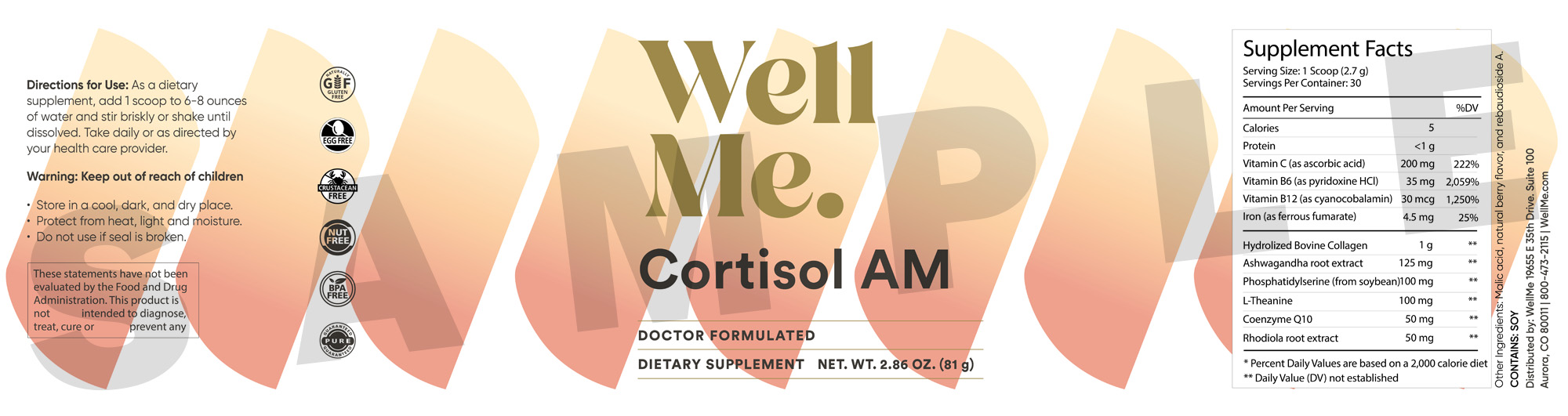
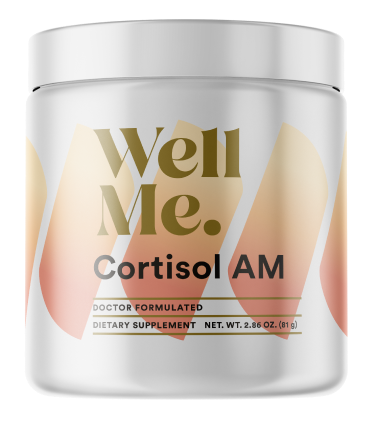
Cortisol AM™ — Morning Hormone Support
The supplement thousands of Australian women are adding to their morning routine to gently reset their stress hormone and reclaim their spark.
 Try Cortisol AM™ Today →

CitrusBurn™ — Thermogenic Cortisol Belly Fat Formula
Stubborn midsection weight is often driven by elevated cortisol — not calories alone. CitrusBurn™ targets this directly using the thermogenic power of Seville Orange Peel, a clinically-studied ingredient for metabolic support.
Works best alongside Cortisol AM™ for a complete morning + metabolism protocol that many women find synergistic.
Explore CitrusBurn™ →The Science Behind Cortisol Release
Your pituitary gland acts as the master conductor, sending signals to your adrenal glands to produce the necessary hormone — part of a precise feedback loop called the HPA axis.
“The hypothalamic-pituitary-adrenal axis is a cornerstone of how we adapt to challenges. Its balance is essential for long-term wellbeing.”
Short-term activation gives you a boost for a ‘fight or flight’ response. Chronic activation, however, can disrupt blood sugar, metabolism, immunity, and sleep. This is why supporting this axis matters so much.
| System Component | Primary Role | Impact of Imbalance |
|---|---|---|
| Brain (Hypothalamus) | Initiates the stress signal | Can lead to persistent alertness |
| Pituitary Gland | Relays the signal to adrenals | May cause irregular hormone output |
| Adrenal Glands | Produce and release cortisol | Linked to fatigue and weight changes |
Taking Action: Your Wellbeing Roadmap
Your journey towards balance begins with deliberate, supportive steps you can take today.
Consult a Professional
Discuss persistent symptoms with your GP. They can arrange blood, saliva, or urine tests to assess your cortisol levels accurately.
Adopt Lifestyle Foundations
Prioritise consistent sleep, gentle daily movement, and whole-food meals. These form the bedrock of hormonal balance.
Add Targeted Supplemental Support
Consider Cortisol AM™ for morning hormone support, and CitrusBurn™ if belly fat is a concern. Both are backed by satisfaction guarantees.
Track & Adjust Over 8–12 Weeks
Give your body time to rebalance. Keep a simple journal of energy, mood, and sleep to notice changes.
Frequently Asked Questions
You Deserve to Feel Your Best
Taking charge of your vitality means listening to your body’s subtle cues and responding with kindness. Balancing your cortisol is a personal journey — and with the right knowledge and tools, lasting hormonal balance is within your reach.
Start with Cortisol AM™ →