

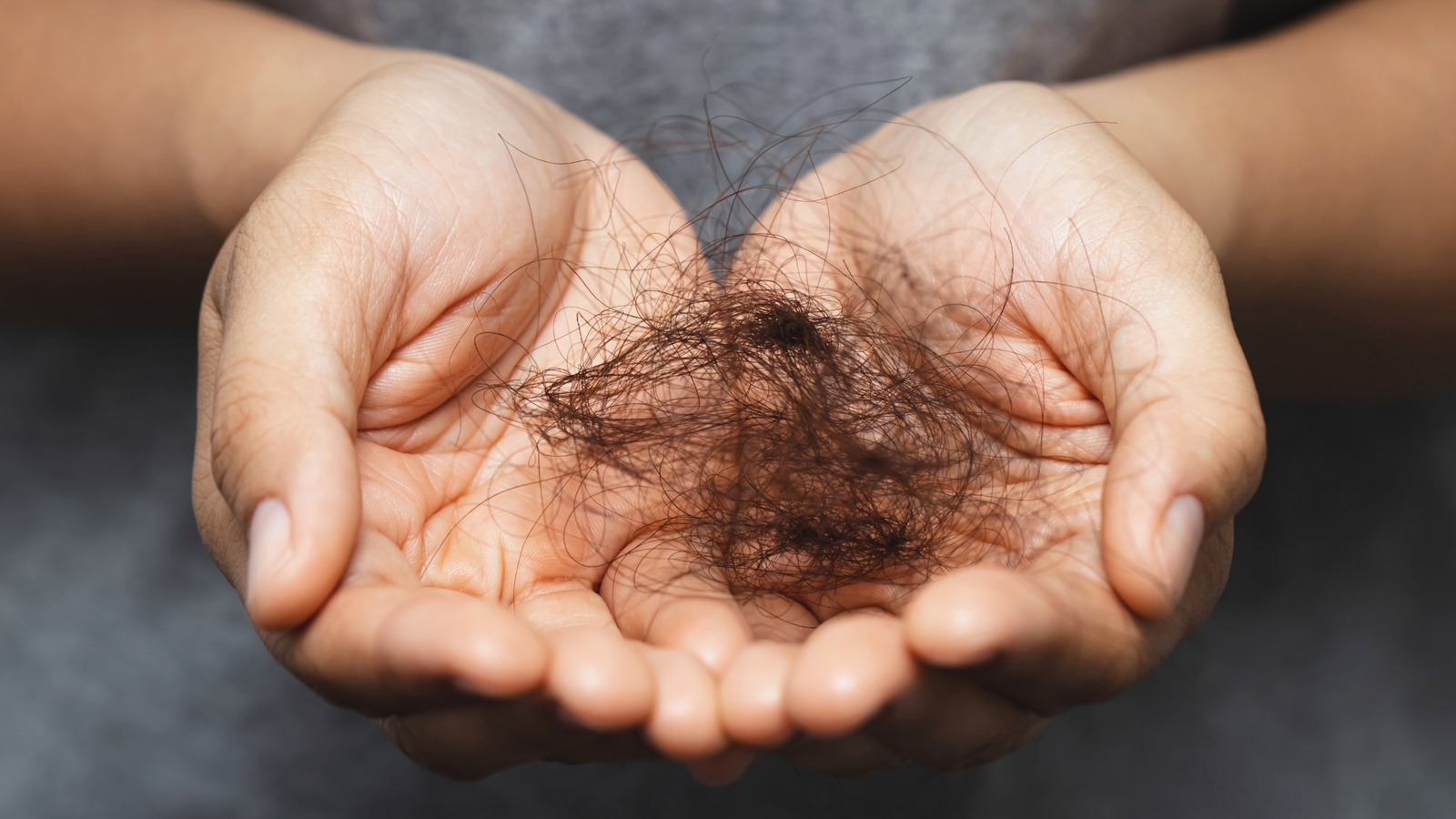
If you’re a new mom noticing more hair in your brush, you’re not alone — postpartum hair loss affects many new mothers. Shedding often begins a few months after delivery (commonly 2–4 months postpartum) and for most people it improves within 6–12 months as hormones normalize (see guidance from dermatology experts such as the American Academy of Dermatology).
Table of Contents
Vitamins for post-partum hair loss
Hormonal changes after giving birth often trigger increased hair shedding. Understanding which nutrients support scalp and follicle recovery can help you feel more in control while your body recovers from pregnancy and childbirth. Taking the right vitamins for postpartum hair loss can support hair regrowth during this time — and later in this article we pair that guidance with vetted product options targeted to new moms.
Key Takeaways
- Postpartum hair loss is a very common stage after childbirth and typically starts a few months after delivery.
- Hormonal shifts — especially falling estrogen — cause increased hair shedding.
- The right vitamins and supplements can help support healthy hair regrowth while you recover.
- Most new moms see gradual improvement and return toward their prior fullness within several months.
- Nutrients, balanced diet, and supportive products together can make a meaningful difference in postpartum hair health.
Quick action: Scroll to our “Top 5 Recommended Solutions for Postpartum Hair Recovery” to see vetted options (oral + topical) that many moms use to support thicker, healthier hair while they care for a new baby — and check with your clinician if you’re breastfeeding or have medical concerns.
Understanding Post-Partum Hair Loss
For many new moms, seeing extra hair in the shower or on the pillow can be upsetting — postpartum hair loss is a common, usually temporary stage after pregnancy. During pregnancy, elevated estrogen often prolongs the anagen (growth) phase, so hair appears thicker and shinier. After delivery, hormone levels fall and many hairs shift into the telogen (resting) phase, which leads to increased shedding as those hairs are released.
While timelines vary, shedding most commonly begins around 2–4 months after childbirth and the increased shedding phase typically improves over the following months; many women see notable improvement by 6–12 months postpartum (sources such as dermatology guidance note this range).
Knowing the biology can help you plan sensible steps, including choosing the best vitamins for postpartum hair loss early on.
What Causes Hair Loss After Pregnancy?
The primary driver is the rapid decline in pregnancy hormones — especially estrogen — after delivery. During pregnancy, higher estrogen levels keep a larger percentage of follicles in the anagen phase. When hormone levels normalize postpartum, those extra hairs enter telogen and shed. Other contributing factors may include iron deficiency, thyroid changes, stress, and nutritional gaps.
When Does Post-Partum Hair Loss Occur?
Onset most often occurs a few months after giving birth (around 2–4 months), which corresponds with the hormonal adjustment period. This is a normal stage for many women; however, the exact timing and intensity differ from person to person depending on underlying health, nutrition, and stress levels.
How Long Does it Last?
Most cases of postpartum shedding resolve gradually. Typical duration is about 6–12 months, though some individuals see improvement sooner. Maintaining good nutrition, managing stress, and addressing deficiencies can shorten recovery time. For nutritional support during the adjustment period, you can find these essential nutrients in comprehensive formulas like Nutrafol or Viviscal (see our Top 5 Recommended Solutions for Postpartum Hair Recovery).
| Phase | Characteristics | Duration |
|---|---|---|
| Anagen (Growth) Phase | Hair grows actively | 2–6 years |
| Telogen (Resting) Phase | Hair is released and falls out | 3–4 months |
| Post-Partum Shedding | Increased hair loss due to hormonal changes | 6–12 months (commonly) |
When to be concerned: if shedding is extreme, localized in patches (which may indicate alopecia areata), or accompanied by other symptoms like persistent fatigue, significant weight changes, or irregular periods, consult your healthcare provider for testing (ferritin, TSH, CBC) and personalized guidance. Most new moms regain density by months 6–12 postpartum — and if you want quick product options to support that recovery, jump to our Top 5 Recommended Solutions for Postpartum Hair Recovery.
Key Vitamins for Postpartum Hair Loss
Postpartum hair loss is often driven by hormonal shifts, but targeted vitamins can support hair health and speed recovery. Many new moms find that addressing nutrient gaps — alongside lifestyle changes — helps reduce shedding and promotes healthier hair growth. Below are the most evidence-backed vitamins to consider, how they help, and what to look for in a supplement.
Vitamin D and Its Role
Vitamin D plays a role in hair follicle cycling and may support the formation of new hair. Research links low vitamin D levels to some types of hair loss, so testing and correcting a deficiency is a sensible step for postpartum women. You can find vitamin D (typically as cholecalciferol) in food sources like fatty fish and fortified dairy, or as part of comprehensive supplements.
Practical note: many comprehensive formulas (including clinical options like Nutrafol) include Vitamin D or are designed to complement your vitamin D routine — consider discussing testing and supplementation with your clinician, especially if you are breastfeeding.
Vitamin B12: The Energy Booster
Vitamin B12 supports overall energy metabolism and red blood cell production, which indirectly benefits hair by ensuring follicles receive adequate oxygen and nutrients. While B12’s direct effect on hair growth needs more research, correcting deficiency is important for general health and can support hair recovery.
Food sources include meat, fish, poultry, and eggs. In supplements, look for bioavailable forms such as methylcobalamin. Comprehensive oral brands like Viviscal and Nutrafol include B vitamin complexes that make it easier for busy moms to cover multiple needs at once.
Vitamin E for Hair Growth and Scalp Health
Vitamin E is an antioxidant that can protect scalp skin and follicles from oxidative stress and may support a healthy scalp environment for growth. Include Vitamin E–rich foods (nuts, seeds, vegetable oils) in your diet, and consider a supplement if dietary intake is low.
Topical care matters too: for scalp nourishment and a non-greasy application, many women use a vegan serum like VEGAMOUR GRO Hair Serum alongside systemic vitamins to improve the appearance of thinning without weighing hair down.
| Vitamin | Role in Hair Health | Food Sources & Considerations |
|---|---|---|
| Vitamin D | Supports follicle cycling; deficiency linked with hair loss | Fatty fish, fortified dairy; test levels before high-dose supplementation |
| Vitamin B12 | Supports energy and red blood cell health that nourishes follicles | Meat, fish, poultry, eggs; methylcobalamin preferred in supplements |
| Vitamin E | Antioxidant that protects follicles and supports scalp health | Nuts, seeds, vegetable oils; topical serums can complement oral vitamin |
You can find these essential nutrients in comprehensive formulas like Nutrafol or Viviscal — Nutrafol is positioned as a premium clinical choice geared toward hormonal support and thicker coverage, while Viviscal is a drug-free option rich in biotin and Marine Collagen (AminoMar) that focuses on nourishment. Both brands are commonly used by women seeking a single, evidence-informed daily product rather than piecing together individual pills.
Safety & dosing: don’t exceed recommended daily intakes without medical advice, particularly while breastfeeding. Ask your provider about blood testing (vitamin D, B12, ferritin) to tailor dose and timing. Look for third-party testing, clear ingredient labeling, and clinician-backed formulations when choosing products.
Quick Checklist — What to Look for in a Supplement
- Complete vitamin profile (D, B-complex including B12, and supportive minerals) — many Nutrafol and Viviscal products meet this need.
- Biotin included at sensible doses (biotin supports keratin production but more isn’t always better).
- Quality ingredients and third-party testing for purity and contaminants.
- Clear breastfeeding guidance on the product label and clinical support information.
- Combination approach: oral supplements plus topical options like VEGAMOUR or a scalp system like Nioxin for optimized results.
Consider a comprehensive formula — see our Top 5 Recommended Solutions below for vetted oral and topical products that pair well with the vitamins described here.
Minerals That Support Healthy Hair
Minerals are essential building blocks for healthy hair — they help follicles function, support tissue repair, and ensure nutrients and oxygen reach the scalp. When mineral stores are low in the months after delivery, new moms commonly notice more thinning and shedding; addressing deficiencies is a practical step toward restoring healthier hair.
Iron: Preventing Deficiency
Iron deficiency is a frequent and treatable contributor to postpartum hair loss. Iron is required for red blood cell production, which carries oxygen and nutrients to hair follicles; low iron or ferritin can impair hair growth. Foods rich in iron include red meat, spinach, and fortified cereals, but dietary intake alone may not be sufficient after childbirth for everyone.
Practical guidance: check your ferritin and CBC before starting iron supplements. Many clinicians consider ferritin levels below ~30 ng/mL suggestive of low stores that may warrant supplementation — discuss appropriate dosing and duration with your healthcare provider. Expect to wait 2–3 months to notice hair improvement after correcting iron deficiency.
Zinc: A Lesser-Known Hero
Zinc supports tissue repair, immune function, and sebum gland health — all important for strong hair and a healthy scalp. Zinc deficiency can contribute to hair thinning, so including zinc-rich foods (oysters, beef, chicken) or a targeted supplement can help support recovery.
Topical and scalp-focused routines also matter: topical systems like Nioxin can optimize scalp conditions while oral minerals restore follicle nutrition. For non-oral support that strengthens hair and nails naturally, some people choose PHYTO Phytophanère, a plant-based supplement favored for its ingredient profile (see product section).
You can find these essential nutrients in comprehensive formulas like Nutrafol or Viviscal — convenient daily products that combine vitamins, minerals, and hair-focused ingredients to support postpartum hair recovery. If you’re breastfeeding, check with your provider before starting high‑dose iron or zinc, and confirm any product’s safety guidance on the label.
The Importance of Omega Fatty Acids
Omega fatty acids — particularly omega-3s (EPA and DHA) — play an important supportive role for scalp health and hair growth after pregnancy. Their anti-inflammatory properties help maintain a healthy scalp environment, which can be helpful while your body rebalances in the months postpartum.
Omega-3’s Role in Hair Health
Omega-3 fatty acids help nourish the scalp and support hair follicle function. By reducing scalp inflammation and improving microcirculation, they create a healthier foundation for hair to grow. While research specific to postpartum populations is still growing, many clinicians recommend ensuring adequate omega-3 intake as part of an overall plan for hair growth and overall health.
Practical note: comprehensive supplement formulas like Nutrafol or Viviscal may include omega-3 support or pair well with fish oil capsules to provide EPA/DHA alongside vitamins and minerals that support postpartum hair recovery.
Best Sources of Omega-3 Fatty Acids
Increase intake through whole foods or supplements depending on preference and dietary restrictions. Top sources include fatty fish (salmon, sardines), walnuts, flaxseeds (ALA form), and purified fish oil capsules (concentrated EPA/DHA).
| Source | Omega-3 Content | Benefits |
|---|---|---|
| Salmon | High | Rich in EPA and DHA — supports scalp health |
| Flaxseeds | Moderate (ALA) | Plant-based source; body converts ALA to EPA/DHA inefficiently |
| Walnuts | Moderate | Easy to add to snacks and meals |
| Fish Oil Supplements (capsules) | High (EPA/DHA) | Convenient, measurable doses — look for purity testing |
How to choose a supplement: prioritize products with third-party purity testing (for heavy metals), clear EPA/DHA labeling, and maternal-use guidance on the label. Safe dosing in lactation is generally considered when products are high-quality and within recommended ranges, but always check with your healthcare provider if you’re breastfeeding or have pregnancy-related concerns.
Pairing tip: many people combine oral omega-3 support with topical serums like VEGAMOUR to address both scalp nourishment and the visible appearance of thinning. If you prefer a single daily approach, consider our recommended comprehensive products that complement omega-3 intake (see Top 5 Recommended Solutions for Postpartum Hair Recovery).
The Impact of a Balanced Diet
A balanced diet is one of the most practical ways to support hair growth and promote healthier hair during the postpartum months. Good nutrition supplies the vitamins, minerals, protein, and healthy fats hair follicles need to recover; combined with targeted supplements, it can meaningfully support overall recovery while you care for your baby.
Nourishing Foods for Hair Regrowth
Choose whole foods that supply iron, zinc, omega-3s, protein, and fat-soluble vitamins. Examples that are easy to include in quick meals or snacks:
- Leafy greens (spinach, kale) — folate, iron, vitamins A and C
- Fatty fish (salmon, sardines) — EPA/DHA omega-3s and vitamin D
- Eggs — protein, biotin, vitamin D
- Nuts & seeds (almonds, walnuts, flaxseed) — vitamin E, zinc, ALA omega-3
- Legumes (lentils, chickpeas) — plant protein, iron, zinc
- Fortified dairy or alternatives — vitamin D and calcium
These choices help create a foundation for healthy hair. If your diet is inconsistent because of sleep or baby care, consider practical swaps—Greek yogurt with walnuts, smoked salmon on whole-grain toast, or a spinach-and-bean salad—that deliver multiple nutrients in one meal.
The Importance of Hydration
Hydration supports scalp health and nutrient transport to follicles. Aim for regular fluid intake throughout the day; many breastfeeding moms naturally need more fluids, so drink to thirst and include hydrating foods like cucumber, watermelon, and soups. Staying hydrated helps hair look shinier and may reduce dryness or breakage.
3-Day Sample Meal Plan for Busy New Moms
Quick, nutrient-forward ideas to prioritize iron, omega-3s, vitamin D and protein:
- Day 1: Breakfast — Greek yogurt with walnuts and berries; Lunch — tuna salad on greens; Dinner — grilled salmon with steamed spinach.
- Day 2: Breakfast — scrambled eggs and whole-grain toast; Lunch — lentil soup with kale; Dinner — roasted chicken with quinoa and roasted vegetables.
- Day 3: Breakfast — smoothie with fortified milk, banana, spinach, and flaxseed; Lunch — chickpea and avocado salad; Dinner — sardines on whole-grain crackers with a side salad.
Shopping list (grab-and-go staples): leafy greens, salmon/sardines, eggs, nuts, legumes, fortified milk/alternative, seeds.
If diet alone isn’t covering your needs — or if you want a simpler, single-product solution — high-quality supplements like PHYTO Phytophanère or a comprehensive formula such as Nutrafol can help fill nutrient gaps. For time-pressed moms, choosing a trusted supplement from our Top 5 Recommended Solutions below is an efficient way to support recovery during the first few months postpartum.
Top 5 Recommended Products for Postpartum Hair Recovery
New mothers often look for straightforward, evidence-informed solutions to support hair recovery while they juggle baby care. Below are five vetted options — a mix of oral formulas, a topical serum, and a scalp system — chosen for ingredient quality, clinical backing or strong user feedback, and suitability for postpartum routines. Always review label guidance and consult your clinician if you are breastfeeding or have specific health concerns.
1. Nutrafol Women’s Balance — Premium clinical choice for hormonal support
- Key benefits: targets hormonal contributors to thinning, supports thicker coverage, includes botanicals and targeted vitamins.
- Who it’s for: women experiencing postpartum thinning related to hormonal shifts; those wanting a clinician-backed, multi-ingredient oral approach.
- Evidence/notes: Nutrafol positions itself on clinical studies addressing hair growth factors; users often report improved density over 3–6 months. Check label for lactation guidance and consult your provider before use.
- Shop Nutrafol Women’s Balance
2. Viviscal Hair Growth Supplements for Women — Nourishing, drug-free formula
- Key benefits: rich in biotin and Marine Collagen (AminoMar) to nourish the hair from within; supports strand strength and fullness.
- Who it’s for: women preferring a drug-free supplement focused on nourishment and collagen support; suitable for many postpartum users.
- Evidence/notes: Viviscal’s AminoMar marine complex has clinical trial data supporting improved hair growth metrics in some studies. Discuss breastfeeding with your clinician before starting.
- Shop Viviscal Hair Growth
3. VEGAMOUR GRO Hair Serum — Best vegan, non-oily topical for thinning
- Key benefits: lightweight, vegan topical serum that supports scalp health and the appearance of thicker hair without greasy residue.
- Who it’s for: new moms who prefer non-oral, plant-based topical support to improve the look of thinning areas or to complement oral supplements.
- Evidence/notes: topical serums can boost scalp appearance quickly; VEGAMOUR is popular for its vegan formulation. Patch-test on a small skin area and check product guidance if breastfeeding.
- Shop VEGAMOUR GRO Hair Serum
4. Nioxin Shampoo & Conditioner System — Essential shower routine for scalp health
- Key benefits: a targeted cleanse and conditioner system formulated to improve scalp environment and hair density appearance.
- Who it’s for: people who want a daily, easy-to-use shampoo/conditioner system to optimize the scalp while using oral supplements.
- Evidence/notes: Nioxin’s systems are widely used in hair-thinning routines to address excess sebum and improve manageability; they pair well with topical serums like VEGAMOUR.
- Shop Nioxin Shampoo & Conditioner System
5. PHYTO Phytophanère — 100% natural dietary supplement for stronger hair & nails
- Key benefits: plant-based formula designed to strengthen hair and nails, often used as a natural adjunct to multi-ingredient regimens.
- Who it’s for: women seeking a natural supplement option to support hair strength and overall hair health.
- Evidence/notes: PHYTO is known for botanical ingredient focus; check ingredient list for allergens and consult your clinician if breastfeeding.
- Shop PHYTO Phytophanère
Quick Comparison
| Product | Type | Key Ingredients | Lactation | Price | Shop |
|---|---|---|---|---|---|
| Nutrafol Women’s Balance | Oral | Botanicals, vitamins | Check label | $$$ | Check Price |
| Viviscal Hair Growth | Oral | Biotin, Marine Collagen | Check label | $$ | Check Price |
| VEGAMOUR GRO Serum | Topical | Plant actives | Topical (Check) | $$ | Check Price |
| Nioxin System | Shampoo | Scalp-cleansing | Topical | $$ | Check Price |
| PHYTO Phytophanère | Oral | Botanical nutrients | Check label | $$ | Check Price |
How to Use These Products Together
- Complement oral formulas (Nutrafol or Viviscal) with a scalp-focused routine (Nioxin + VEGAMOUR) for combined systemic and topical support.
- PHYTO Phytophanère can be used as a natural strengthening adjunct or alternative if you prefer plant-based ingredients.
- Expect to give oral supplements 3–6 months to show noticeable hair density improvements; topical products may improve the look of thinning sooner.
Safety & Practical Notes
- Always read product labels and check for contraindications during pregnancy or breastfeeding. Some ingredients warrant clinician review.
- If you have suspected nutritional deficiencies (e.g., low ferritin or B12), get lab tests and treat under medical guidance — supplements can support recovery but are not a substitute for targeted medical care.
- Use compliant language when sharing testimonials (e.g., “many users report”) and avoid absolute claims. Consult your healthcare provider for personalized advice.
Also considered: other multivitamins and brands that target postpartum needs — but the five products above represent a curated set combining oral and topical approaches most commonly recommended for postpartum hair recovery.
Lifestyle Factors That Affect Hair Loss
While vitamins and targeted products matter, everyday lifestyle factors strongly influence postpartum hair health. New moms face added stress, disrupted sleep, and time constraints — all of which can worsen shedding and thinning. Addressing these manageable elements alongside nutritional support can speed recovery and improve how your hair looks and feels.
Stress Management Techniques
High stress raises cortisol and can push hair into the telogen (resting) phase, increasing hair loss. Clinical experts highlight stress reduction as a useful part of a holistic postpartum plan. Small, consistent habits work best for busy parents:
- Meditation: 3–5 minutes daily to lower reactivity.
- Breathing exercises: a 5-minute routine to calm cortisol spikes.
- Gentle yoga or a short walk: movement that reduces stress and boosts circulation.
Simple scalp care doubles as self-care: a 10-minute scalp massage while nursing or during a short nap can improve blood flow and feel restorative — try combining it with a topical like VEGAMOUR GRO Hair Serum for added scalp nourishment.
3-step stress-reduction plan for busy new moms
- Daily: 5 minutes of focused breathing.
- Every other day: 10-minute scalp massage with a lightweight serum (VEGAMOUR recommended).
- Weekly: a 20–30 minute brisk walk or gentle yoga session for mood and circulation.
The Importance of Sleep
Sleep supports hormonal balance and tissue repair. While infants disrupt sleep patterns, prioritizing rest when possible will benefit hair recovery. Short restorative naps, consistent sleep windows when baby sleeps, and shared nighttime caregiving can help increase restorative sleep over time.
When to escalate: if thinning is rapid, patchy, or accompanied by other concerning symptoms, consult your healthcare provider. For many new moms, practical lifestyle tweaks plus targeted products (for example, pairing an oral formula like Nutrafol with a scalp system such as Nioxin and a topical serum like VEGAMOUR) can improve the appearance of thinning within weeks to months. See the Top 5 Recommended Products for Postpartum Hair Recovery for quick product options designed for people short on time.
When to Seek Professional Help
Postpartum hair loss is usually temporary, but sometimes it signals an underlying issue that needs medical attention. If you notice unusually rapid shedding, patchy thinning, or hair loss accompanied by other symptoms, contact your OB/GYN or primary care provider to evaluate the cause and appropriate treatment.
Signs You Should Consult a Doctor
Seek medical advice if you experience any of the following:
- Excessive hair loss that doesn’t begin to improve after a few months.
- Patchy or localized hair loss (which can indicate alopecia areata).
- Hair loss with other symptoms such as persistent fatigue, significant weight change, dry skin, or menstrual irregularities.
What to ask your clinician: request basic labs such as ferritin (iron stores), TSH (thyroid function), and a CBC to check for anemia or other issues that can drive hair loss. These tests help distinguish normal postpartum shedding from treatable medical causes.
Possible Medical Treatments & Safety Notes
Treatment depends on the underlying diagnosis. Options may include iron repletion for deficiency, thyroid management, or targeted dermatologic therapies. While postpartum hair growth supplements can support recovery, they are adjuncts — not replacements — for medical care when a deficiency or disorder is present.
- Safety first: if you are breastfeeding, tell your clinician before starting new oral supplements or topical regimens; some products may not be recommended during lactation.
- If labs suggest iron deficiency, discuss iron therapy with your clinician; consider supplements like PHYTO or Nutrafol only as adjuncts after medical guidance.
- Stage guidance: in the typical postpartum stage (shedding beginning ~2–4 months and often improving by 6–12 months), conservative support (nutrition, stress reduction, supplements) is reasonable — but rapidly worsening or unusual patterns warrant earlier evaluation.
In short: monitor the pattern and pace of loss, get basic labs if symptoms suggest a medical cause, and coordinate any new supplement or product use with your healthcare provider to ensure safety and the best outcome for your body and your baby.

Personal Stories: Post-Partum Journeys
Postpartum hair loss is a shared experience for many new moms, and reading candid stories can provide comfort and practical ideas. These personal journeys show that a combination of nutrition, targeted supplements, stress management, and topical care often makes the difference in restoring confidence while caring for a baby.
Real Experiences with Hair Restoration
Several new mothers report gradual improvement after focusing on nutrition and a consistent routine. For example, some women noticed less shedding and thicker-looking hairs after adding a daily multivitamin or a targeted oral formula; others paired an oral product with a topical serum and a scalp-friendly shampoo for faster visual results.
Typical timelines mentioned by moms: topical changes to scalp appearance can be noticeable within a few weeks, while systemic supplements (oral formulas) are often reported to show clearer hair density improvements in about 8–12 weeks, with continued gains by months 3–6.
Short, Relatable Testimonials (Paraphrased)
- “After my baby was 3 months old I started taking Viviscal and saw less daily shedding by month 2 — it made me feel less panicked.”
- “I paired a Nutrafol regimen with Nioxin shampoo and VEGAMOUR serum; my part looked fuller after a few months and my hair felt stronger.”
Tips from New Moms
Practical, low-effort ideas other mothers shared:
- Focus on one change at a time — a multivitamin or a single oral formula plus a gentle shampoo.
- Use a lightweight topical like VEGAMOUR during scalp massage to combine self-care with circulation support.
- Stay patient — many mothers see measurable improvement in hair growth over several months postpartum.
| Remedy | Description | Benefit |
|---|---|---|
| Biotin Supplements | Daily biotin as part of a multivitamin or dedicated product | Supports keratin production and can strengthen strands |
| Omega-3 Rich Foods | Salmon, walnuts, flaxseed in the diet | Nourishes scalp and supports overall hair health |
| Multivitamins / Oral Formulas | Comprehensive daily supplements (e.g., Nutrafol, Viviscal) | Convenient coverage of vitamins and minerals that support regrowth |
Remember: these are personal anecdotes and not guarantees. If you want to read full user reviews or check current pricing, head to our Top 5 Recommended Solutions for Postpartum Hair Recovery for curated product details and buying links.
Conclusion: Regaining Your Hair Confidence
Postpartum hair loss can be upsetting, but with a balanced approach that prioritizes nutrition, targeted supplements, and sensible lifestyle changes, many new mothers regain confidence in their hair over time. Individual results vary, but combining diet, evidence-informed products, and stress management gives you the best chance of supporting healthy hair and hair growth while protecting your overall health.
Nourishing Your Hair from Within
Focus on a nutrient-rich diet alongside thoughtful supplementation when needed — omega-3s, iron, zinc, vitamin D, B12, and biotin all play roles in follicle health. For busy moms, comprehensive formulas like Nutrafol or Viviscal offer convenient daily support to help fill nutritional gaps that diet alone may not cover.
Managing Stress for Hair Health
Stress reduction and adequate sleep support hormonal balance and tissue repair, both important for healthier hair. Pair lifestyle steps with topical or oral products (for example, VEGAMOUR plus Nioxin or an oral option such as Nutrafol) to address thinning from multiple angles. Always check product labels and consult your clinician if you are breastfeeding or have medical concerns.
Quick Next Steps
- If loss is severe or accompanied by other symptoms, request ferritin, TSH, and CBC testing from your provider.
- Start a comprehensive supplement or a targeted topical routine (Nutrafol or Viviscal for oral support; VEGAMOUR + Nioxin for topical/scalp care) after confirming safety with your clinician.
- Reassess progress after about 3 months and adjust the plan with your healthcare provider as needed
For busy new moms looking for an evidence-backed starting point, explore our Top 5 Recommended Solutions for Postpartum Hair Recovery (Nutrafol, Viviscal, VEGAMOUR, Nioxin, PHYTO) — each option is presented with usage notes and safety guidance so you can choose the best fit for your stage of postpartum recovery. Small, consistent steps over time can make a real difference in how your hair looks and feels.
Frequently Asked Questions
Vitamins D, B12, and E are commonly recommended. Vitamin D regulates follicle cycling, B12 supports energy, and Vitamin E acts as an antioxidant. You can find these in comprehensive formulas like Nutrafol or Viviscal.
Omega-3s (EPA/DHA) reduce inflammation and nourish the scalp. Many people pair oral omega-3s with topical products like serums to address scalp health.
Yes. A diet rich in iron, zinc, omega-3s, and protein supports overall health and can reduce shedding severity. Supplements fill gaps when diet alone isn’t enough.
Yes. Our Top 5 includes Viviscal and Nutrafol (oral), PHYTO Phytophanère (natural), VEGAMOUR (topical), and Nioxin (scalp system). Always check with your clinician before use.
Shedding usually starts 2–4 months after delivery and improves by 6–12 months. If rapid or severe, seek medical advice.
High stress worsens shedding. Meditation, naps, and light exercise lower cortisol. Combining this with nutrition yields better results.
Always check ingredients. Some are safe, others require caution. Consult your clinician before starting Nutrafol, Viviscal, or any new regimen.
Consult if hair loss is severe, patchy, or accompanied by fatigue or irregular periods. Labs like ferritin and TSH can check for treatable causes.
Prioritize sleep, manage stress, eat well, and consider evidence-informed products. Small steps over time lead to healthier-looking hair.